Why Does My Dog Lick Me So Much? 8 Reasons (and How to Stop It)
Why does my dog lick me so much? Affection, taste, attention or stress. Learn what licking your face, hands or feet means, when to worry and how to stop it.
· 5 min read
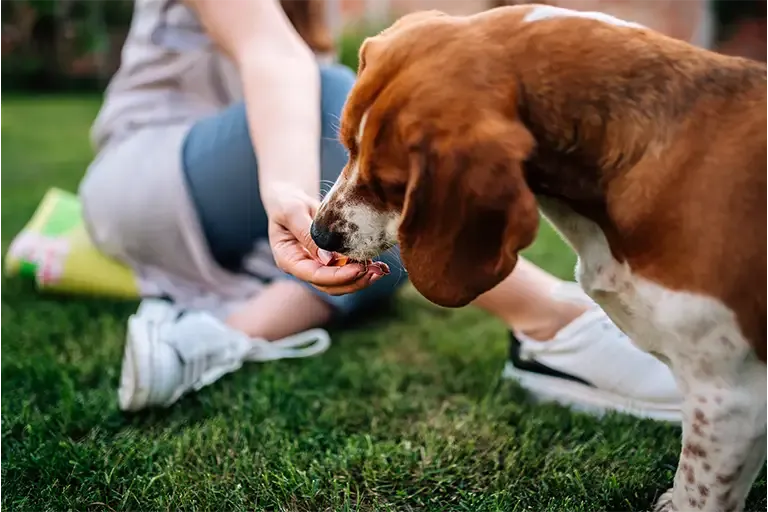
Some dogs greet you with a polite sniff. Others give your face, hands, ears and ankles a full wash every time you sit down. If you’ve ever wondered why your dog licks you so much, you’re not alone: it’s one of the most common questions dog owners ask.
Most of the time, licking is normal dog communication. Here are the main reasons dogs lick people, what licking different body parts can mean, and how to cut it down if it’s too much.
Quick answer: why does my dog lick me so much?
- Affection and bonding: licking is a social behavior learned from their mother.
- You taste good: salt, sweat, food traces and lotion.
- Attention: licking gets a reaction, so your dog repeats it.
- Greeting and communication: a polite “hello” or “I’m friendly”.
- Calming down: licking can be self-soothing when stressed or excited.
- Exploring: dogs learn about the world through smell and taste.
- Habit: repeated, rewarded licking becomes routine.
- A health issue: nausea, anxiety or compulsive licking, in rarer cases.
8 reasons dogs lick people
1. Affection and bonding
Licking starts in the first minutes of life: mother dogs lick their puppies to clean them and stimulate breathing and feeding. Puppies lick their mother and littermates in return. Adult dogs often keep licking the members of their “family” as a social and bonding behavior. Licking also releases feel-good chemicals in your dog’s brain, which makes it pleasant for them too.
2. You taste interesting
Human skin is salty, especially after exercise. Hands carry traces of food. Lotions, soap and sunscreen add new flavors. If your dog licks you most after a workout, a shower, or a meal, taste is probably the main reason.
3. It gets attention
When your dog licks you, what happens? You laugh, talk, pet them or push them away, and all of that is attention. Dogs quickly learn that licking makes things happen, so they do it more. That’s why licking often increases when you’re busy or on your phone.
4. Greeting and polite communication
In the wild, puppies lick an adult’s mouth to greet them and ask for food. Many adult dogs still greet familiar people by licking their face or hands. Licking can also be appeasement: a way of saying “I’m friendly, I mean no harm”, especially with lowered body posture and a wagging tail.
5. Self-soothing and stress
Licking can calm a dog when they’re anxious, overexcited or unsure, much like some people bite their nails. Stress licking often comes with other signals: yawning, lip licking, turning the head away, ears back, or a tucked tail.
6. Exploring
Dogs gather information with their nose and mouth. A quick lick tells your dog where you’ve been, what you ate and how you’re feeling.
7. Habit
If licking has been rewarded for years, it can become automatic: your dog licks when you sit on the sofa, get into bed or come home, almost without thinking.
8. A health problem
Less commonly, excessive licking points to something else:
- Nausea: dogs who feel sick often lick lips, floors and people, and swallow a lot.
- Anxiety or compulsive disorders: licking that’s hard to interrupt and goes on for long periods.
- Pain or dental problems.
- Cognitive decline in senior dogs.
What it means when your dog licks…
| Where | Most likely reason |
|---|---|
| Your face | Greeting, affection, attention, or food traces around your mouth |
| Your hands | Taste, attention, “please keep petting me”, or exploring |
| Your feet | Salt and sweat, smells, easy to reach; often turns into a game |
| Your ears | Taste (earwax is salty) and grooming behavior |
| Your legs after a shower | Water droplets, soap and lotion smells, or simply because you’re back |
| You when you pet them | Social response, or a polite “that’s enough” if paired with stress signals |
| You in bed | Settling routine, affection, or self-soothing before sleep |
| Everything (you, the floor, the air) | Possible nausea, anxiety or compulsive licking: worth a vet check |
Is it safe to let your dog lick you?
For most healthy adults, an occasional lick is low risk. But dog saliva contains bacteria, some of which can cause infections in humans. Serious infections are rare, but be careful:
- Don’t let dogs lick open wounds, cuts or broken skin.
- Avoid face licks for babies, elderly people, pregnant people, and anyone with a weakened immune system.
- Wash your hands after lots of licking, especially before eating.
- Keep your dog’s parasite prevention and vaccinations up to date.
When to worry about licking
See your vet if:
- Licking is sudden, constant or hard to interrupt
- Your dog also licks floors, walls or the air, gulps or drools (possible nausea)
- There are other changes: appetite, weight, energy, vomiting or diarrhea
- Your dog also licks or chews their own paws a lot (see why dogs lick their paws)
- Licking seems tied to anxiety, such as only when you leave (see our separation anxiety guide)
How to stop your dog licking you
If you enjoy the occasional lick, there’s no need to stop it. If it’s too much:
- Remove the reward. The moment licking starts, calmly stand up, step away or turn your back for a few seconds. No talking, no pushing.
- Reward the alternative. When your dog is calm and not licking, give attention, praise or a treat.
- Teach an incompatible behavior. A hand target (“touch”), sit, or going to their bed. A dog can’t lick you while nose-bumping your palm. See the training glossary for how to teach it.
- Give a legal outlet. Lick mats, stuffed food toys and chews satisfy the urge to lick.
- Remove the taste. Wash off lotion or food traces, and dry off after a shower before the welcome committee arrives.
- Meet your dog’s needs. Daily exercise, sniff walks and short training sessions reduce boredom licking.
- Don’t punish. Scolding can increase stress licking and damages trust.
Most dogs improve within one or two weeks if everyone in the household responds the same way. Expect a short “extinction burst”: licking often gets more intense for a few days before it fades.
Related guides and tools
- Why do dogs lick their paws?
- Why do dogs eat grass?
- How to stop your dog from jumping on people
- Pet behavior analysis tool
Frequently asked questions
Does my dog lick me because it loves me?
Often, yes. Licking is a social, bonding behavior that starts in puppyhood, and many dogs lick the people they’re closest to. But licking can also mean your dog likes the taste of your skin, wants attention, or is stressed, so look at the context and body language.
Why does my dog lick me when I pet her?
Usually it’s a friendly, social response: you’re interacting, and she responds in dog language. Some dogs also lick to calm themselves or to politely ask you to slow down. If she licks while turning her head away, yawning or stiffening, she may not enjoy that kind of petting.
Why does my dog lick my feet?
Feet are salty, sweaty and full of interesting smells, so they’re very tasty to dogs. Feet are also easy to reach when you’re sitting or lying down, and the reaction (laughing, moving away) can make it a fun game.
Is it safe to let my dog lick my face?
For most healthy people, the risk is low but not zero. Dog saliva carries bacteria that can occasionally cause infections, especially through cuts or in people with weakened immune systems. Avoid face licks for babies, elderly or immunocompromised people, and never let a dog lick open wounds.
Why does my dog lick me so much all of a sudden?
A sudden increase can be due to stress (a move, new routine, visitors), more attention for licking, or a new lotion or soap. It can also signal nausea, dental pain or anxiety. If it comes with other changes, like restlessness, lip licking or loss of appetite, see your vet.
How do I stop my dog licking me?
Calmly remove the reward: stand up or turn away the moment licking starts, then give attention when your dog is calm. Teach an alternative like sit or a hand target, offer a lick mat or chew, and make sure your dog gets enough exercise and mental stimulation. Don’t punish licking.
Note: This article is for general information and isn’t a substitute for advice from your veterinarian. Some links may be affiliate links; we may earn a commission at no extra cost to you.Written with AI assistance. Editorial review in progress. Last updated: . How we create our content