Why Do Dogs Eat Grass? Reasons, Risks and When to Worry
Why do dogs eat grass? It’s usually normal. Learn the most likely reasons, why some dogs throw up afterwards, when it’s a warning sign, and how to stop it.
· 5 min read
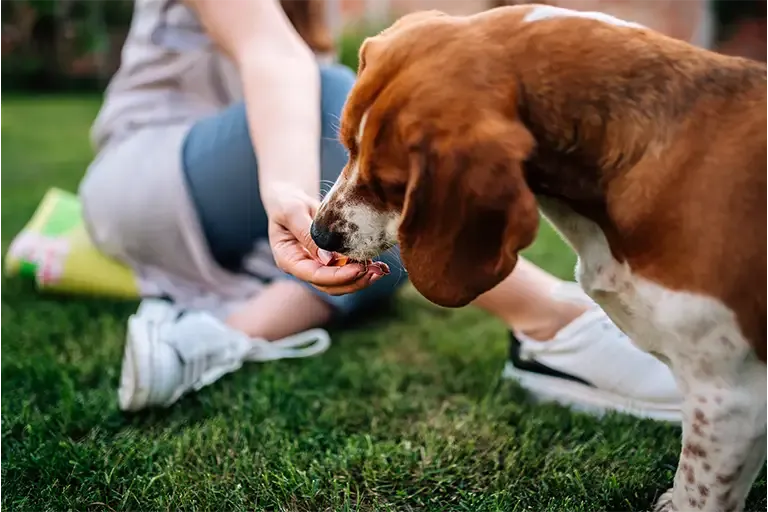
You let your dog into the garden and they head straight for the lawn, chomping grass like a little cow. Maybe they throw it up five minutes later. Is your dog sick? Hungry? Just weird?
The good news: eating grass is one of the most common behaviors in healthy dogs, and usually nothing to worry about. Here’s what science knows about why dogs do it, when it can be a problem, and how to stop it if you need to.
Quick answer: why do dogs eat grass?
- It’s normal. Most dogs eat grass at least occasionally, and most are perfectly healthy.
- It’s probably instinct. Wild dogs and wolves eat plant material too.
- They may simply like it, especially fresh, young spring grass.
- Boredom and fiber can play a role.
- An upset stomach explains only a minority of cases. Most dogs aren’t sick before they eat grass and don’t vomit afterwards.
- Worry if your dog eats grass frantically, vomits often, has diarrhea, seems unwell, or the grass may have been treated with chemicals.
What does the research say?
The best-known study comes from the University of California, Davis, where researchers surveyed more than 1,500 dog owners about plant eating. They found:
- Most dogs had been seen eating plants, and grass was by far the most common plant.
- Fewer than 1 in 10 dogs seemed unwell before eating grass.
- Fewer than 1 in 4 vomited afterwards.
- Younger dogs ate plants more often, and were less likely to seem ill beforehand or vomit after.
In other words, the old idea that dogs eat grass to make themselves sick doesn’t fit most dogs. For the majority, it’s a normal behavior.
6 reasons dogs eat grass
1. Instinct
Wolves and other wild canids regularly eat plant material, and grass shows up in their droppings. One theory is that eating grass helped wild ancestors move intestinal parasites through the gut. Modern pet dogs have inherited the habit, even if they don’t need it.
2. They like the taste or texture
Many dogs pick specific types of grass and eat more in spring when it’s fresh and tender. For some dogs, grass is simply a crunchy, juicy snack.
3. Boredom
Dogs with little to do, especially those left alone in a garden, may graze out of boredom, the way people snack. More walks, sniffing and play often reduce it.
4. Fiber
Some dogs on low-fiber diets eat more grass. There are case reports of dogs who stopped eating grass after switching to a higher-fiber diet. If your dog grazes a lot and has soft stools or constipation, ask your vet about fiber.
5. An upset stomach
Some dogs do seem to look for grass when nauseous, and the long blades may trigger vomiting. But as the research shows, this explains a minority of grass eating, not most of it.
6. Attention
If grass eating always gets a reaction (“No! Drop it!”), some dogs learn it’s a great way to get you involved.
Why does my dog eat grass and throw up?
There are two likely explanations:
- The grass causes the vomiting. Long blades swallowed quickly can tickle the throat and irritate the stomach lining.
- The dog was already nauseous. Some dogs with an upset stomach eat grass urgently, and vomiting follows.
Occasional vomiting after grass is common and usually harmless. See your vet if:
- It happens more than once a week or so
- There’s blood in the vomit or stool
- Your dog also has diarrhea, loses appetite or seems lethargic
- Vomiting is repeated within a day
- Your dog is retching without bringing anything up. This can be an emergency (bloat), especially in large, deep-chested breeds.
When grass eating is a warning sign
Normal grazing is calm and selective: a few bites here and there. Be more concerned about:
| What you see | What it can mean |
|---|---|
| Frantic, urgent eating of large amounts | Nausea, acid reflux or gut discomfort |
| Licking floors, carpets or walls too | Research links excessive licking of surfaces to stomach and gut problems |
| Gulping, lip licking, drooling, swallowing repeatedly | Nausea |
| Weight loss or diarrhea | Digestive disease, parasites |
| Eating soil, stones or non-food items | Pica; may signal nutritional or medical issues |
| A sudden new habit in an older dog | Worth a vet check |
Is eating grass dangerous?
Grass itself is rarely harmful. The risks come from what’s in it or on it:
- Pesticides, herbicides and fertilizers: avoid treated lawns, parks and roadsides, and read the labels of any garden products you use.
- Toxic plants mixed in with grass: for example sago palm, azalea, oleander, foxglove, lily of the valley, yew, and daffodil and tulip bulbs.
- Parasites: grass can carry worm eggs from other animals’ feces. Keep up with your dog’s deworming.
- Lungworm: in some regions, dogs can catch lungworm by eating slugs or snails, which can hide in long grass.
- Grass seeds (awns, foxtails): sharp seed heads can lodge in the throat, nose, ears or between the toes and migrate into the body. Check your dog after walks in long grass in summer.
- Long blades stuck in the throat: sometimes cause gagging and coughing. If your dog keeps gagging, see a vet.
How to stop a dog eating grass
If your dog only nibbles untreated grass now and then, you don’t need to stop it. If you want to, or need to:
- Use a leash in risky areas. Parks, roadsides and treated lawns.
- Teach “leave it”. Reward your dog for turning away from grass. See our training glossary for how.
- Redirect. Offer a chew or a toy when your dog heads for the grass.
- Add enrichment. Sniff walks, puzzle feeders and short training games reduce boredom grazing.
- Review the diet. Ask your vet whether more fiber could help. Our dog food calculator helps check you’re feeding the right amount.
- Grow dog-safe grass. A pot of untreated wheatgrass or oat grass at home gives a safe outlet.
- Don’t punish. It can turn grass into a game, or make your dog gulp it faster.
Puppies eating grass
Puppies explore the world with their mouths, so grass, leaves, sticks and soil all get tasted. It’s normal, but supervise closely: puppies are more likely to swallow sticks, stones and toxic plants. Teaching “leave it” and “drop it” early makes life much easier. More in our guide to how to stop a dog from chewing everything.
Related guides and tools
- Why does my dog lick me so much?
- How to stop a dog from eating poop
- Can dogs eat lettuce?
- Dog chocolate toxicity calculator
- Pet behavior analysis tool
Frequently asked questions
Is it normal for dogs to eat grass?
Yes. Eating grass and other plants is very common in healthy dogs. In a large UC Davis survey of dog owners, most dogs had been seen eating plants, usually grass, and the vast majority showed no signs of illness beforehand.
Do dogs eat grass when they are sick?
Sometimes, but less often than people think. In the UC Davis survey, fewer than 1 in 10 dogs seemed unwell before eating grass, and fewer than 1 in 4 vomited afterwards. Most grass eating is normal behavior, not self-medication. Frantic grass eating combined with vomiting or diarrhea is different and worth a vet visit.
Why does my dog eat grass and then throw up?
Grass blades can tickle the throat and stomach lining, which can trigger vomiting, especially when grass is gulped quickly. Some dogs with an upset stomach also seem to seek out grass. If it happens often, or your dog vomits repeatedly, is lethargic or has diarrhea, see your vet.
Should I stop my dog from eating grass?
Not necessarily. A little untreated grass is usually harmless. Stop it if the grass may have been treated with pesticides or fertilizer, if your dog eats grass frantically, vomits often, or eats other plants that may be toxic.
Can eating grass make dogs sick?
The grass itself rarely does, but what’s on or in it can: pesticides, herbicides and fertilizers, parasite eggs from other animals’ feces, and slugs or snails that carry lungworm. Grass seeds (awns or foxtails) can also get stuck in the throat, nose or paws.
Why is my dog suddenly eating grass like crazy?
A sudden change, especially frantic eating combined with licking floors, gulping, drooling or swallowing repeatedly, can be a sign of nausea, acid reflux or another stomach or gut problem. Book a vet check rather than waiting it out.
Note: This article is for general information and isn’t a substitute for advice from your veterinarian. Some links may be affiliate links; we may earn a commission at no extra cost to you.Written with AI assistance. Editorial review in progress. Last updated: . How we create our content