Dog Zoomies: Why Dogs Get Them and When to Worry
Why do dogs get the zoomies? What these sudden bursts of running mean, why they happen after baths and pooping, how to keep zoomies safe, and when to worry.
· 4 min read
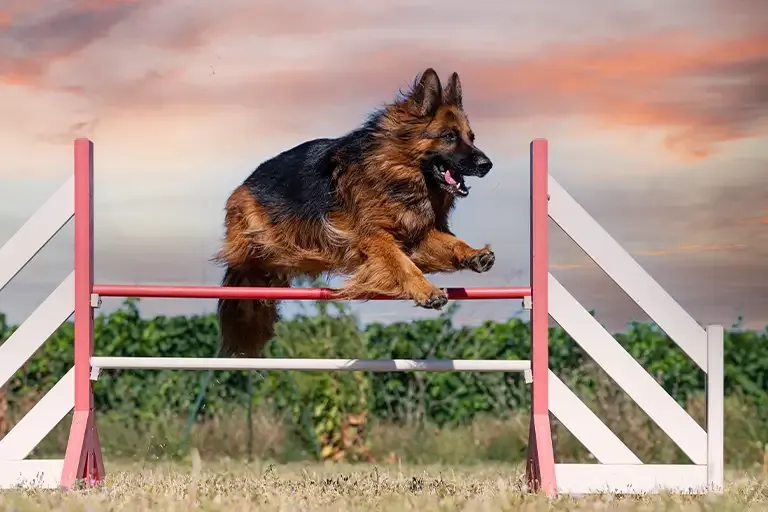
One minute your dog is calm. The next, they’re racing laps around the living room, skidding round corners, bouncing off the sofa and spinning in circles, with a goofy look on their face. Then, just as suddenly, it’s over.
Welcome to the zoomies. They look wild, but they’re one of the most normal (and fun) things dogs do. Here’s what causes them, when they happen, how to keep them safe, and the rare times they’re a sign of a problem.
Quick answer: why do dogs get the zoomies?
- Zoomies are normal. They’re short bursts of energy, often lasting 1–3 minutes.
- They release built-up energy, excitement or relief, for example after a bath, after being crated, or in the evening.
- Puppies and young dogs get them the most.
- They’re usually a sign of a happy, playful dog.
- Make them safe: clear space, non-slippery floors, away from roads and stairs.
- Worry only if they come with signs of pain, fear or obsessive spinning, or start suddenly in an older dog.
What are zoomies?
The official name is frenetic random activity periods, or FRAPs. During a zoomie session a dog might:
- Run fast laps, figure eights or circles
- Tuck their bottom under and sprint (“butt tuck”)
- Play bow, spin and bounce
- Jump on and off furniture
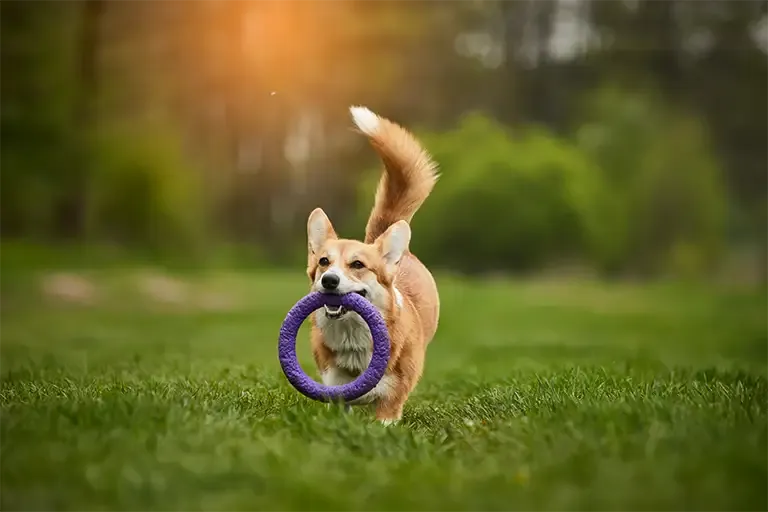
- Grab a toy and run with it
- Bark or growl playfully
Their body is loose and wiggly and their face relaxed, often with the tongue out. When it’s over, many dogs flop down and pant happily.
When do dogs get the zoomies?
| When | Likely reason |
|---|---|
| After a bath | Relief, excitement, trying to dry off and rub off the shampoo smell |
| After pooping | Relief, excitement, possibly scent marking with the paws |
| In the evening | Leftover energy; many puppies have an evening “witching hour” |
| After time in a crate or being left alone | Releasing pent-up energy |
| When you come home | Excitement and joy at the reunion |
| During or after play | Over-excitement spills over |
| After a vet visit or grooming | Releasing tension after a stressful situation |
| On fresh snow or grass | Pure fun and new sensations |
Why do dogs get the zoomies?
There isn’t one cause, but most zoomies are about energy and emotion:
- Pent-up energy. Dogs who’ve been resting, crated or under-exercised need to let off steam.
- Excitement and joy. Reunions, play and new things can fill a dog with more excitement than they can contain.
- Relief from stress. After something mildly stressful, like a bath or the vet, zooming may help a dog “shake it off”.
- Age. Puppies and adolescent dogs have lots of energy and less self-control, so zoomies are more common.
- Breed and personality. Energetic breeds and playful individuals zoom more often.
Puppy zoomies
Puppy zoomies are often worse in the evening and can come with biting, grabbing clothes and barking. That’s usually a sign your puppy is over-tired, not under-exercised. More play just winds them up further.
What helps:
- Stay calm and don’t chase.
- Offer a tug toy to redirect biting.
- Give a chew or a stuffed food toy to help them settle.
- Put them down for a nap in their crate or pen. Young puppies need 16–18 hours of sleep a day.
Our guide on how to stop puppy biting has a full plan for the evening “witching hour”.
Are zoomies safe?
Zoomies are healthy, but the setting can be risky:
- Slippery floors: dogs skid and can injure joints and claws. Add rugs or move the action outside.
- Stairs, furniture and glass doors: a zooming dog doesn’t look where they’re going.
- Roads and open gates: zoomies can turn into a run-away. Only let dogs zoom off-leash in safe, fenced areas.
- Small children and frail people: keep them out of the way of a zooming large dog.
- Hot weather: short bursts are fine; long sessions in the heat can lead to overheating.
How to manage the zoomies
- Let them happen when it’s safe. Zoomies usually end on their own within a few minutes.
- Don’t chase. It turns the zoomies into a game of catch-me-if-you-can.
- Guide them somewhere safe: call them with a happy voice, run a few steps away from them, or toss a toy into a safer area.
- Practice recall in calm moments, so your dog has a strong “come” when you need it. A whistle cue can help; try our online dog whistle.
- Give more daily outlets: sniff walks, fetch, training games and easy tricks reduce built-up energy.
- Plan ahead: if your dog always zooms after a bath, towel them well and let them out in the garden or a rug-covered room.
When to worry
Zoomies are almost always normal. Talk to your vet or a qualified behaviorist if:
- Your dog seems frantic or fearful rather than playful: tail tucked, wide eyes, trying to escape.
- The zoomies come with spinning or tail chasing that’s hard to interrupt, or happen many times a day. That can be a sign of compulsive behavior.
- An older dog suddenly starts zooming, pacing or circling, especially at night. This can point to pain, confusion or cognitive decline.
- Your dog scoots or zooms after pooping and licks their bottom, which can mean anal gland problems or irritation.
- Zoomies end in limping, collapse or heavy panting that doesn’t settle.
Related guides and tools
- How to stop puppy biting (including the witching hour)
- 25 easy tricks to teach your dog
- Why does my dog lick me so much?
- Pet behavior analysis tool
Frequently asked questions
What are dog zoomies?
Zoomies are sudden bursts of energy where a dog runs fast, often in circles or laps, spins, play-bows and darts around, usually for a minute or two. Researchers call them frenetic random activity periods (FRAPs). They’re a normal way for dogs to release pent-up energy or excitement.
Are zoomies a sign of a happy dog?
Usually, yes. Most zoomies happen when a dog is excited, playful or relieved, for example after a bath or when you come home. A relaxed face, loose body and play bows are good signs. Occasionally they’re a way of releasing stress, so look at what happened just before.
Why do dogs get the zoomies after a bath?
Probably a mix of relief that the bath is over, excitement, and trying to dry off and get rid of the unfamiliar smell of shampoo. Rubbing on carpets and furniture is part of it. Towel your dog well and let them zoom somewhere safe.
Why do dogs get the zoomies after pooping?
Nobody knows for sure. Ideas include a feeling of relief, excitement, spreading their scent with the glands in their paws, and the instinct to move away from the toilet spot. It’s normal and harmless.
Should I stop my dog’s zoomies?
Usually not. Let them run it out in a safe, non-slippery space. Don’t chase your dog, which turns it into a bigger game. If they’re zooming somewhere dangerous, call them to you with a happy voice or toss a treat on the floor, rather than grabbing them.
At what age do dogs stop getting the zoomies?
Zoomies are most common in puppies and young dogs, and they usually happen less often after about 2–3 years of age. Many adult and even senior dogs still get the occasional burst, especially after baths or in the evening.
Note: This article is for general information and isn’t a substitute for advice from your veterinarian. Some links may be affiliate links; we may earn a commission at no extra cost to you.Written with AI assistance. Editorial review in progress. Last updated: . How we create our content