Hypoallergenic Dog Breeds: 23 Low-Shedding Dogs for Allergy Sufferers
The best hypoallergenic dog breeds by size, from Poodles and Bichons to Schnauzers, plus the truth about allergy-free dogs, doodles and allergy tips.
· 5 min read
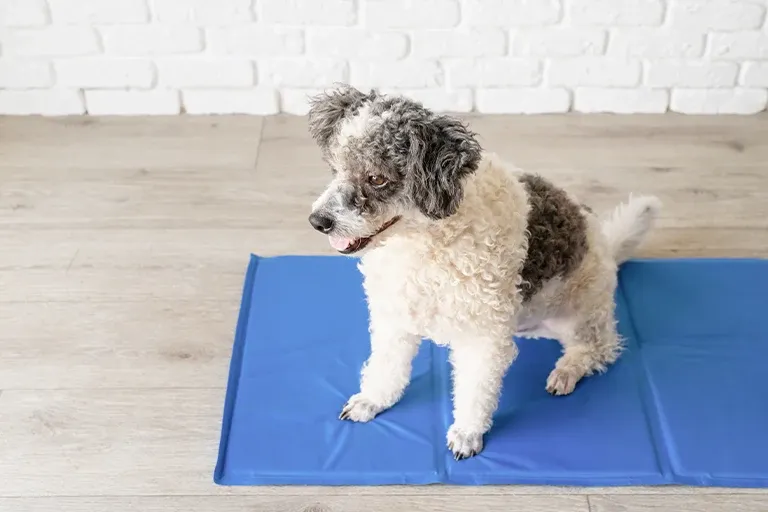
If you love dogs but sneeze, itch or wheeze around them, a hypoallergenic dog breed might make sharing your home possible. These breeds shed very little, so less hair and dander ends up on your floor, sofa and clothes.
But there’s an important catch: no dog is truly allergy-free. Here’s what “hypoallergenic” really means, 23 of the best low-shedding breeds by size, and practical tips that make the biggest difference for allergy sufferers.
Quick answer: what are the best hypoallergenic dogs?
- Small: Bichon Frise, Maltese, Toy and Miniature Poodle, Havanese, Miniature Schnauzer, Shih Tzu, Yorkshire Terrier, Coton de Tulear
- Medium: Portuguese Water Dog, Soft Coated Wheaten Terrier, Lagotto Romagnolo, Standard Schnauzer, Kerry Blue Terrier
- Large: Standard Poodle, Giant Schnauzer, Afghan Hound, Irish Water Spaniel
- Hairless: Chinese Crested, Xoloitzcuintli (Mexican Hairless Dog), American Hairless Terrier
- Remember: these shed less, but every dog makes allergens. Meet the dog before you decide.
What does “hypoallergenic” really mean?
People aren’t allergic to dog hair itself. They react to proteins (the best known is called Can f 1) found in a dog’s dander (skin flakes), saliva and urine. Hair carries these allergens around the house.
Low-shedding breeds tend to have coats that grow continuously, like human hair, so loose hair and dander stay in the coat until they’re brushed or clipped out. That means less allergen spread around your home.
However, studies measuring allergens in homes have not found consistently lower levels in homes with so-called hypoallergenic breeds. What matters more is the individual dog, how often they’re groomed and bathed, and how you manage your home. That’s why meeting the dog is so important.
23 hypoallergenic dog breeds
Small hypoallergenic dogs
| Breed | Weight | Good to know |
|---|---|---|
| Bichon Frise | 12–18 lb (5–8 kg) | Cheerful, good with families; needs professional grooming every 4–6 weeks |
| Maltese | Under 7 lb (3 kg) | Gentle lap dog; long silky coat, often kept in a short “puppy cut” |
| Toy / Miniature Poodle | 4–15 lb (2–7 kg) | Very smart and easy to train; see our Poodle guide |
| Havanese | 7–13 lb (3–6 kg) | Friendly, adaptable, great for apartments |
| Miniature Schnauzer | 11–20 lb (5–9 kg) | Alert, sturdy, wiry coat that needs hand-stripping or clipping |
| Shih Tzu | 9–16 lb (4–7 kg) | Affectionate companion; daily brushing |
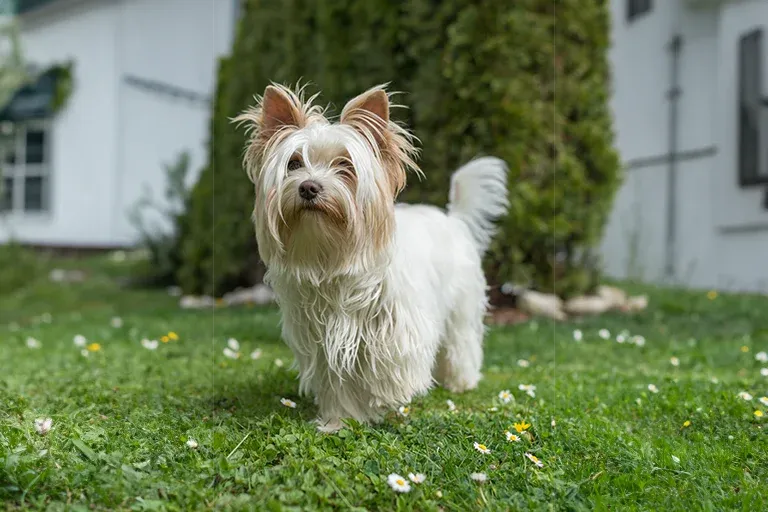
| Yorkshire Terrier | About 7 lb (3 kg) | Big personality, silky hair-like coat; see our Yorkie guide |
| Coton de Tulear | 8–15 lb (4–7 kg) | Soft, cotton-like coat; playful and easygoing |
| Bolognese | 5–9 lb (2–4 kg) | Calm, devoted, related to the Bichon |
| Lhasa Apso | 12–18 lb (5–8 kg) | Independent, long coat needs lots of care or a short clip |
Medium hypoallergenic dogs
| Breed | Weight | Good to know |
|---|---|---|
| Portuguese Water Dog | 35–60 lb (16–27 kg) | Energetic, loves water; a well-known choice for allergy sufferers |
| Soft Coated Wheaten Terrier | 30–40 lb (14–18 kg) | Friendly, bouncy, silky coat |
| Lagotto Romagnolo | 24–35 lb (11–16 kg) | Curly-coated truffle-hunting dog; loves nose work |
| Standard Schnauzer | 30–50 lb (14–23 kg) | Clever and protective; wiry coat |
| Kerry Blue Terrier | 30–40 lb (14–18 kg) | Spirited, soft wavy coat |
| Bedlington Terrier | 17–23 lb (8–10 kg) | Lamb-like look, gentle at home, fast outdoors |
Large hypoallergenic dogs
| Breed | Weight | Good to know |
|---|---|---|
| Standard Poodle | 40–70 lb (18–32 kg) | Athletic, very trainable, great family dog |
| Giant Schnauzer | 55–85 lb (25–39 kg) | Powerful working dog; needs lots of training and exercise |
| Afghan Hound | 50–60 lb (23–27 kg) | Elegant and independent; long coat needs serious grooming |
| Irish Water Spaniel | 45–68 lb (20–31 kg) | Curly, water-loving clown |
Hairless breeds
The Chinese Crested, Xoloitzcuintli and American Hairless Terrier have little or no hair. They still produce dander and saliva allergens, and their skin needs sun protection and moisturizing.
What about doodles and other mixes?
Goldendoodles, Labradoodles, Cavapoos and other Poodle crosses are often sold as hypoallergenic, but their coats aren’t guaranteed:
| Generation | What it means | Shedding |
|---|---|---|
| F1 | Poodle × Golden Retriever (or Labrador) | Unpredictable: from low-shedding to heavy |
| F1b | F1 doodle × Poodle | More likely low-shedding |
| Multigenerational | Doodle × doodle over several generations | Varies by breeder and lines |
If allergies are the main reason you want a doodle, ask the breeder about the parents’ coats and meet the puppy’s relatives.
Breeds to avoid if you have allergies
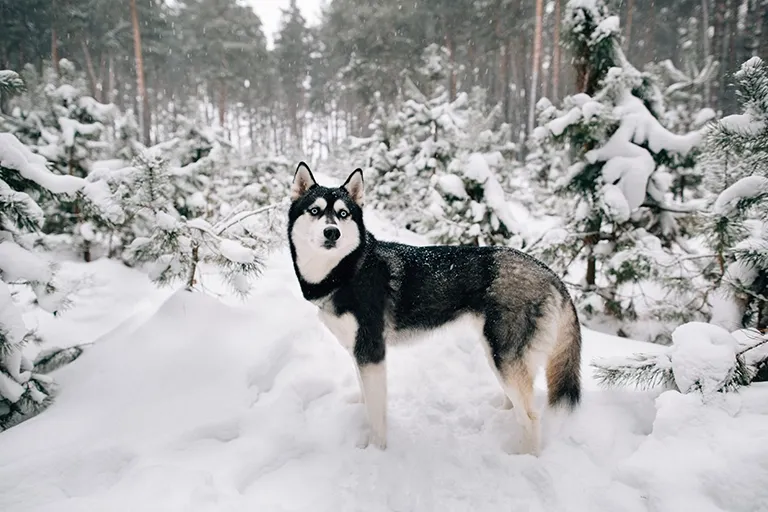
Heavy shedders include the Labrador Retriever, Golden Retriever, German Shepherd, Siberian Husky, Beagle, Pug, Corgi and most other double-coated breeds. Drooling breeds like Saint Bernards and Bulldogs spread more saliva allergens too.
Tips for living with a dog when you have allergies
- Meet the dog first. Spend a few hours with the breed, ideally the individual dog, before committing.
- Groom regularly, ideally done by someone without allergies, outdoors. Bathing every 1–2 weeks can lower allergen levels for a few days.
- Keep the bedroom dog-free so you have one low-allergen space.
- Use a HEPA air purifier and a vacuum with a HEPA filter.
- Choose hard floors and washable covers over carpets and heavy curtains.
- Wash dog beds and blankets weekly in hot water.
- Wash your hands after cuddles and before touching your face.
- Talk to an allergist about medication or immunotherapy, especially if you have asthma.
Low-shedding doesn’t mean low-maintenance
Most hypoallergenic breeds need more grooming, not less. Coats that don’t shed keep growing, so expect daily or weekly brushing and a professional groom every 4–8 weeks. Budget for it before you choose.
Related guides and tools
- Poodle breed guide
- Yorkshire Terrier breed guide
- How to reduce dog shedding
- Dog name generator for your new puppy
Frequently asked questions
Are any dogs 100% hypoallergenic?
No. All dogs produce allergens, mainly proteins in their skin flakes (dander), saliva and urine, not the hair itself. Low-shedding breeds spread less hair and dander around the home, which helps many people with mild allergies, but no breed is completely allergen-free.
What is the most hypoallergenic dog breed?
There’s no single winner, but Poodles (toy, miniature and standard), Bichon Frises, Maltese, Portuguese Water Dogs and Schnauzers are among the most popular choices because they shed very little. Individual dogs within a breed vary, so spend time with the specific dog before committing.
Are Goldendoodles and Labradoodles hypoallergenic?
Not reliably. Doodles are mixes, so a puppy can inherit a low-shedding Poodle coat, a shedding Retriever coat, or something in between. First-generation (F1) doodles are the least predictable; F1b doodles (bred back to a Poodle) are more likely to have a low-shedding coat.
Are Labradors or German Shepherds hypoallergenic?
No. Labradors, Golden Retrievers, German Shepherds, Huskies and Beagles all have double coats and shed heavily, so they’re not good choices for people with dog allergies.
What is the best hypoallergenic dog for a family?
The Standard Poodle, Portuguese Water Dog, Soft Coated Wheaten Terrier and Miniature Schnauzer are good family choices: friendly, trainable and low-shedding. For a calm small dog, consider a Bichon Frise or Havanese.
Can you become less allergic to your own dog?
Some people find their symptoms improve over time, while others get worse. It isn’t something to rely on. If you have allergies or asthma, talk to an allergist before getting a dog, and spend several hours with the breed, ideally the actual dog, first.
Note: This article is for general information and isn’t a substitute for advice from your veterinarian. Some links may be affiliate links; we may earn a commission at no extra cost to you.Written with AI assistance. Editorial review in progress. Last updated: . How we create our content