Dog Shedding Remedies: How to Reduce Shedding at Home
You can’t stop a healthy dog shedding, but you can cut the hair. 10 home remedies that work: the right brush, omega-3s, diet, bathing and deshedding tips.
· Updated · 5 min read
If your sofa, car and black trousers are covered in dog hair, here’s the honest truth first: you can’t stop a healthy dog from shedding. Shedding is how dogs replace old hair. What you can do is catch that hair on a brush instead of your floor, and make sure your dog isn’t shedding more than normal.
These are the home remedies that actually make a difference, roughly in order of impact.
Quick answer: 10 ways to reduce dog shedding
- Brush 2–4 times a week (daily during seasonal sheds) with the right brush for the coat.
- Use an undercoat rake or deshedding tool on double-coated breeds.
- Feed a complete, high-quality diet with enough protein and fat.
- Add omega-3 fish oil (EPA/DHA) after checking the dose with your vet.
- Bathe every 4–8 weeks with a gentle dog shampoo, then blow-dry and brush.
- Keep your dog hydrated: fresh water always, and wet food if they don’t drink much.
- Stay on top of flea and tick prevention.
- Reduce stress, which can trigger sudden hair loss.
- Groom outdoors during heavy-shedding seasons.
- See a vet if shedding comes with bald patches, itching or skin changes.
Why do dogs shed?
Hair grows in cycles. Each hair grows, rests, and eventually falls out to make room for a new one. How much a dog sheds depends mainly on:
- Coat type: double-coated breeds (Huskies, German Shepherds, Labradors, Golden Retrievers, Corgis) have a dense undercoat that sheds heavily, especially seasonally.
- Season and daylight: many dogs “blow coat” in spring and fall.
- Health and diet: poor nutrition, allergies, parasites and hormonal issues increase shedding.
- Stress: vet visits, moving home or anxiety can cause a sudden shed.
- Hormones: unspayed females often shed after a heat cycle or after having puppies.
1. Brush with the right tool
Brushing is by far the most effective remedy. It removes loose hair before it falls out, spreads natural skin oils, and lets you spot skin problems early.
| Coat type | Example breeds | Best tools | How often |
|---|---|---|---|
| Double coat | Husky, German Shepherd, Golden, Lab, Corgi | Undercoat rake + slicker brush; deshedding tool | 3–4×/week; daily in spring/fall |
| Short, smooth | Beagle, Boxer, Pug, French Bulldog | Rubber curry brush or grooming mitt | 1–2×/week |
| Long, silky | Yorkshire Terrier, Shih Tzu, Maltese | Pin brush + metal comb | Daily, to prevent mats |
| Curly / low-shedding | Poodle, Bichon, doodles | Slicker brush + comb, line brushing | Several times a week + professional clips |
| Wiry | Schnauzer, many terriers | Slicker brush; hand-stripping | Weekly |
Technique: brush in the direction of hair growth, working in sections down to the skin. On double coats, “line brush”: part the hair with one hand and brush small sections outward so you reach the undercoat.
2. Use a deshedding tool, carefully
Deshedding tools (like a FURminator-style blade) remove huge amounts of undercoat from double-coated dogs. Use light strokes, no more than 10–15 minutes a session, and avoid them on curly or single-coated breeds, where they can damage the topcoat.
3. Feed a high-quality diet
Hair is about 90% protein, and a healthy coat needs adequate fat. A complete and balanced dog food that meets AAFCO or FEDIAF standards usually covers this. Signs your dog’s diet may be lacking include a dull, dry, brittle coat and flaky skin.

4. Add omega-3 fatty acids
Fish oil supplements containing EPA and DHA support skin health and can reduce excessive shedding and itchiness, particularly in dogs with dry skin or allergies. Ask your vet for a dose based on your dog’s weight. Too much can cause diarrhea or interfere with clotting.
Plant oils (olive, coconut, flaxseed) contain different fats and aren’t as effective for skin. Use them sparingly because of their calories.
5. Bathe, but not too often
A bath loosens dead hair, and a thorough brush-out afterwards removes it. Every 4–8 weeks is plenty for most dogs. Bathing more often can dry out the skin and increase shedding.
- Use a dog-specific shampoo; human shampoo has the wrong pH for dog skin.
- Oatmeal-based or moisturizing shampoos suit dogs with dry skin.
- Rinse thoroughly, because leftover shampoo irritates skin.
- Blow-dry on a cool setting while brushing. A high-velocity dryer blasts out loose undercoat.
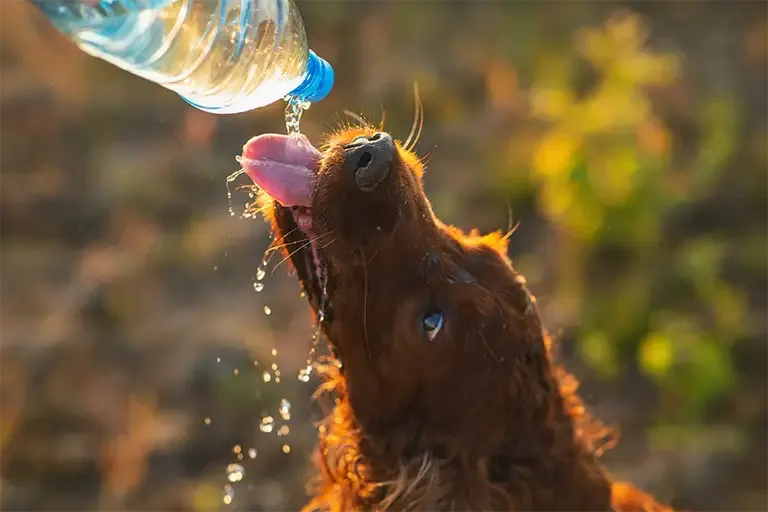
6. Keep your dog hydrated
Dehydrated skin is dry and flaky. Make sure fresh water is always available, and consider wet food or adding water to kibble for dogs who don’t drink much.
7. Control fleas and other parasites
Fleas, mites and lice cause itching, scratching and hair loss. Keep your dog on year-round parasite prevention recommended by your vet.
8. Reduce stress
Stress can trigger a sudden “shock” shed, often seen at the vet’s or in the car. Regular routines, daily exercise, and enrichment like sniff walks and puzzle toys help keep stress low.
9. Make home life easier
- Groom outside or in a bathroom during heavy sheds.
- Use washable throws on sofas and beds.
- A rubber broom or squeegee pulls hair from carpets better than many vacuums.
- Run an air purifier during spring and fall coat blows.
- Lint rollers in the car, by the door and at work!
10. Know when shedding isn’t normal
Normal shedding leaves the coat evenly thick. See your vet if you notice:
- Bald patches or thinning in specific areas
- Red, flaky, scabby or smelly skin
- Constant scratching, chewing or licking
- A dull, brittle coat despite a good diet
- Shedding together with weight gain, lethargy or increased thirst
These can point to allergies, skin infections, parasites, or hormonal conditions like hypothyroidism or Cushing’s disease.
Which breeds shed the most and least?
Heavy shedders: Siberian Husky, Alaskan Malamute, German Shepherd, Labrador Retriever, Golden Retriever, Pembroke Welsh Corgi, Akita, Great Pyrenees, Chow Chow.
Low shedders: Poodle, Bichon Frise, Maltese, Shih Tzu, Yorkshire Terrier, Portuguese Water Dog, Schnauzer. Note that no dog is truly “hypoallergenic”: allergens are in saliva and dander as well as hair.
Read more in our breed profiles of the Siberian Husky, German Shepherd, Golden Retriever and Poodle.
Related guides
- Hypoallergenic dog breeds: 23 low-shedding dogs
- Why dogs lick their paws, and what to do
- How to stop a dog’s nail from bleeding
- The best dog bowl for your dog
Frequently asked questions
Can you stop a dog from shedding completely?
No. Shedding is how healthy dogs replace old and damaged hair. Even “non-shedding” breeds like Poodles lose hair; it just gets trapped in the curly coat instead of falling on your floor. You can, however, reduce loose hair dramatically with regular brushing, good nutrition and bathing.
What is the best home remedy for dog shedding?
Brushing with the right tool for your dog’s coat, several times a week, makes the biggest difference. After that: a complete diet with enough fat, an omega-3 fish oil supplement (ask your vet for the dose), and a monthly bath with a gentle dog shampoo followed by a thorough blow-dry and brush-out.
Does olive oil or coconut oil help dog shedding?
Small amounts can add some fat to a low-fat diet, but they’re not as effective as fish oil, which provides EPA and DHA omega-3s that support skin health. Oils are also high in calories, so add them carefully and check with your vet, especially for overweight dogs or those prone to pancreatitis.
What months do dogs shed the most?
Double-coated breeds usually “blow” their undercoat twice a year: in spring (often March–May) to lose the winter coat, and in fall (September–November) to make way for it. Indoor dogs under artificial light may shed more evenly all year.
When is dog shedding a sign of a health problem?
See a vet if you notice bald patches, red, flaky or scabby skin, constant scratching or licking, a dull, brittle coat, or shedding together with weight changes, lethargy or increased thirst. Allergies, parasites, infections, and thyroid or hormonal disorders can all cause abnormal hair loss.
Do deshedding tools hurt dogs?
Not when used correctly. Use light strokes in the direction of hair growth, don’t go over the same spot repeatedly, and avoid using undercoat blades on single-coated or curly breeds. Stop if the skin turns pink or your dog seems uncomfortable.
Note: This article is for general information and isn’t a substitute for advice from your veterinarian. Some links may be affiliate links; we may earn a commission at no extra cost to you.Written with AI assistance. Editorial review in progress. Last updated: . How we create our content