How to Stop a Dog From Digging: 11 Strategies That Work
Why dogs dig and 11 ways to stop it: digging pits, more exercise, fence barriers and protecting plants, plus which home remedies are unsafe to use.
· Updated · 4 min read
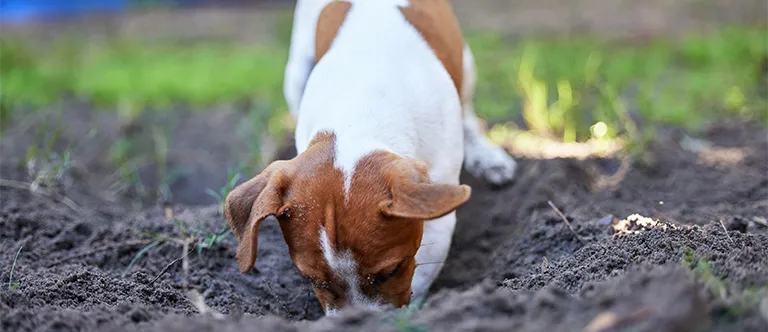
A hole-filled lawn is one of the most common frustrations dog owners face. But for many dogs, digging is as natural as sniffing. Terriers were bred to dig out vermin, Dachshunds to tunnel after badgers, and Huskies dig to make cool resting spots.
The key is understanding why your dog digs, then giving them an alternative they enjoy more.
Quick answer: how to stop a dog digging
- Find the reason: boredom, hunting, heat, escape, or instinct.
- Supervise yard time so you can redirect in the moment.
- Build a digging pit and make it the best place to dig.
- Increase exercise and mental stimulation.
- Block favorite spots with pavers, rocks, chicken wire or planters.
- Secure the fence line if your dog digs to escape.
- Provide shade and a cooling mat if your dog digs to keep cool.
Why do dogs dig?
| Reason | Clues | What helps |
|---|---|---|
| Boredom | Digs when left alone in the yard | Exercise, enrichment, less unsupervised yard time |
| Hunting | Digs in lines or near roots; obsessed with one spot | Humane pest control; redirect |
| Cooling off | Shallow holes in shade on hot days | Shade, water, cooling mat, bring inside |
| Burying treasures | Buries bones and toys | Digging pit; fewer long-lasting chews outdoors |
| Escape | Holes along the fence | Buried barriers; address the motivation |
| Instinct / breed | Terriers, Dachshunds, Beagles, Huskies | A legal digging outlet |
| Attention | Digs when you’re watching, especially if it starts a chase | Reward calm behavior; stay calm |
| Making a bed | Scratches and digs at the sofa, bed or blanket before lying down | Normal nesting behavior; give a soft bed or blanket that can be scrunched |
11 strategies that work
1. Build a digging pit
The most effective long-term fix. Create a sandbox or a defined patch of loose soil, then:
- Bury toys and treats just under the surface while your dog watches.
- Praise and reward enthusiastically when they dig there.
- Gradually bury things deeper.
- Whenever your dog starts digging elsewhere, calmly lead them to the pit.
2. Increase physical exercise
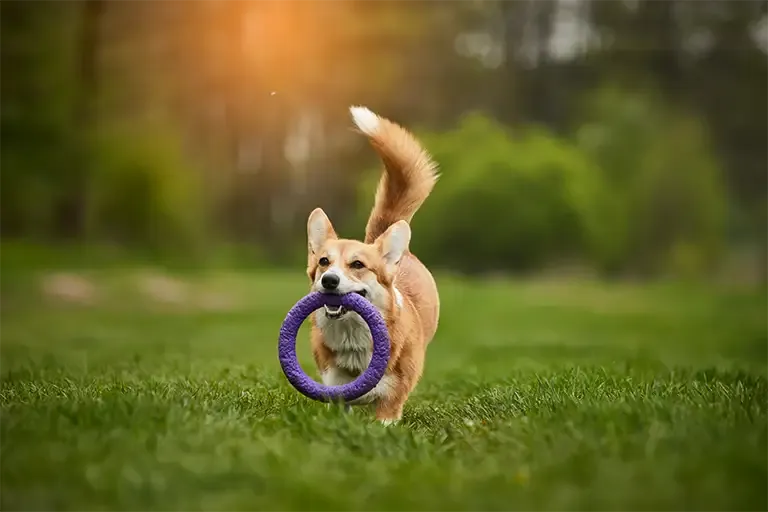
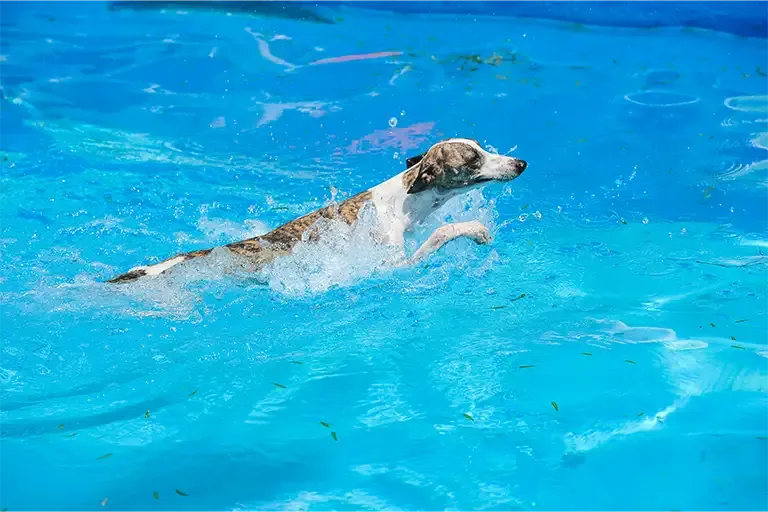
Many diggers are simply under-exercised. Add longer walks, games of fetch or tug, and swimming if your dog enjoys it.
3. Add mental stimulation
Sniffing and problem-solving tire dogs quickly: try scent games (hide treats around the yard), puzzle feeders, and short training sessions. A digging dog is often a bored dog looking for a job.
4. Supervise yard time
Go out with your dog until the habit is broken. If they start to dig, interrupt calmly (“this way!”), redirect them to a toy or the digging pit, and reward.
5. Protect the fence line

For escape diggers:
- Bury chicken wire or hardware cloth 1–2 ft (30–60 cm) deep along the fence, or lay it flat on the ground inside the fence (an “L-footer”).
- Line the base with large rocks, pavers or concrete.
- Plant dense shrubs along the fence line.
- Address why your dog wants to get out. See our guide to stopping fence jumping and escaping.
6. Block favorite spots
Place large rocks, pavers or planters over favorite digging spots, or lay chicken wire just under the soil surface. Dogs dislike the feel of wire on their paws.
7. Replace soft soil with hard ground cover
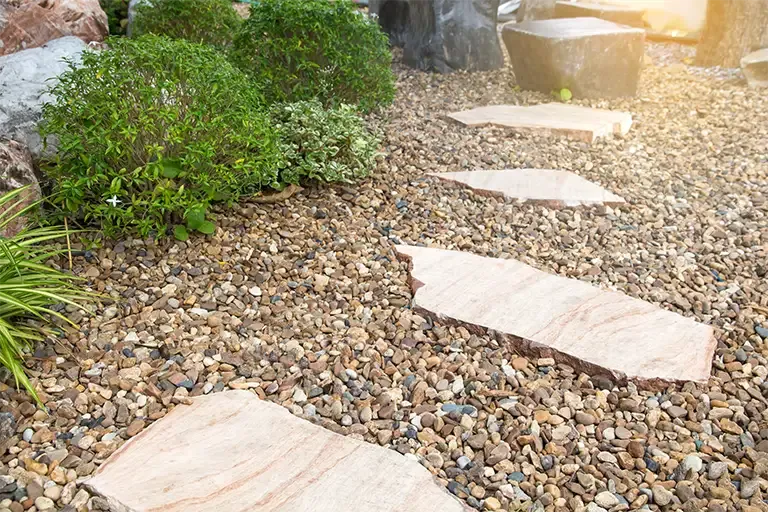
Areas of bark chips, large river rocks, gravel or paving are much less appealing to dig than soft soil.
8. Provide shade and cooling
Dogs dig cool spots in the earth on hot days. Provide shade, fresh water, a raised cot or cooling mat, and bring your dog indoors during the hottest part of the day.
9. Deal with burrowing pests
If your dog is digging after moles, voles or insects, the hunt will continue until the prey is gone. Use humane, pet-safe pest control, and never use poisons or bait that your dog could reach.
10. Keep your plants safe
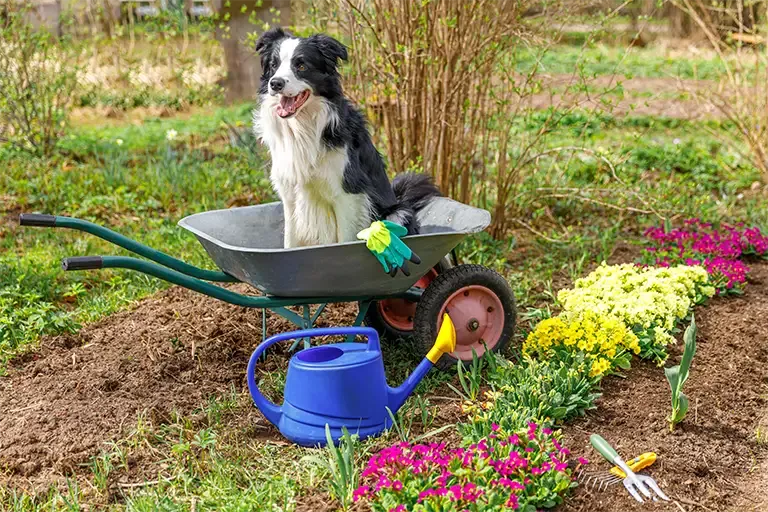
- Use raised beds, low fences or garden edging.
- Put chicken wire under mulch in planting beds.
- Choose sturdy plants and avoid fresh fertilizers like blood, bone or fish meal, which smell like food to dogs.
- Check that your garden plants aren’t toxic to dogs.
11. Use deterrents carefully
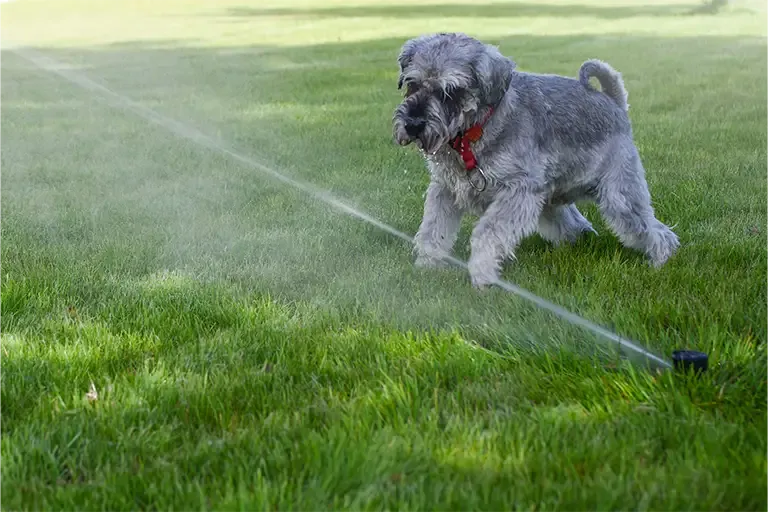
- Motion-activated sprinklers startle some dogs away from specific areas, though some water-loving dogs enjoy them.
- Vinegar or citrus sprays may deter temporarily, but the smell fades quickly.
- Coffee grounds: not recommended. Caffeine is toxic to dogs, and many dogs will eat them.
- Cayenne or chili: don’t use. It can irritate eyes and paws.
Deterrents only stop digging in one place. Pair them with a digging pit, or your dog will simply dig elsewhere.
What not to do
- Don’t punish after the fact. Your dog won’t connect it to a hole dug hours ago.
- Don’t leave your dog alone in the yard for long periods while you’re training.
- Don’t use toxic deterrents like mothballs, coffee grounds or chemical repellents.
Related guides and tools
- Pet behavior analysis tool
- How to stop a dog from chewing
- Siberian Husky breed guide: escape artists
- Beagle breed characteristics
Frequently asked questions
Why does my dog dig holes?
Common reasons are boredom, hunting rodents or insects underground, cooling off in hot weather, burying food or toys, escaping, and breed instinct, especially in terriers, Dachshunds, Beagles and northern breeds like Huskies.
Do coffee grounds stop dogs from digging?
We don’t recommend them. Coffee grounds contain caffeine, which is toxic to dogs if eaten, and many dogs will happily eat them. Physical barriers and a designated digging area are safer and more effective.
Does vinegar stop dogs from digging?
The strong smell deters some dogs temporarily, but it wears off quickly, needs reapplying, and can harm plants. Use it, if at all, as a short-term helper while you train and provide a digging pit.
Should I fill holes with my dog’s poop?
Some people do and it can deter digging in that exact spot, but it’s unhygienic, attracts flies, and dogs often just dig somewhere else. A designated digging pit plus supervision works better.
Will my dog grow out of digging?
Puppies often dig less as they mature and get more exercise, but breeds bred to dig rarely stop entirely. Giving them a legal place to dig is the most reliable long-term solution.
Note: This article is for general information and isn’t a substitute for advice from your veterinarian. Some links may be affiliate links; we may earn a commission at no extra cost to you.Written with AI assistance. Editorial review in progress. Last updated: . How we create our content