Can Dogs Eat Peaches? Safe Serving Guide (and Why the Pit Is Dangerous)
Dogs can eat fresh peach flesh in moderation, but the pit is dangerous. See safe amounts by size, how to prepare peaches, and what to do if one eats a pit.
· Updated · 3 min read
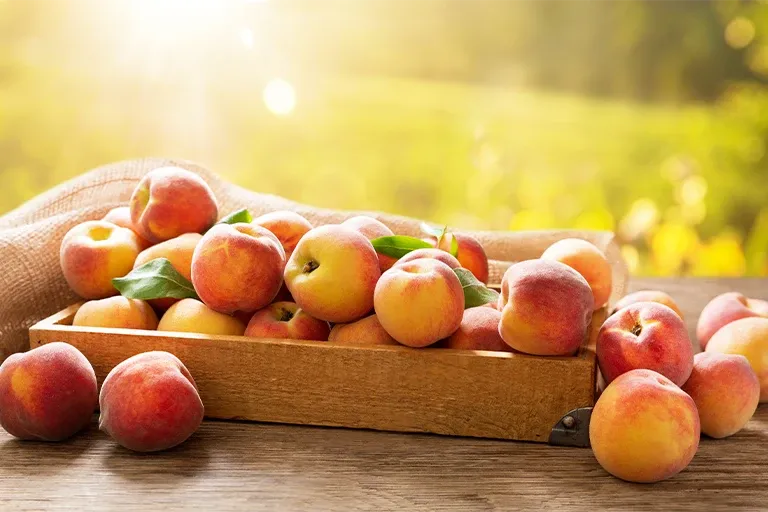
Yes, dogs can eat peaches, but only the flesh. Fresh, ripe peach without the pit is a healthy, hydrating treat in small amounts. The pit (stone) is dangerous: it can cause choking or an intestinal blockage, and it contains amygdalin, which can release cyanide when chewed.
Quick answer
| Safe? | Yes, fresh flesh (skin optional) |
| How much? | A few slices; treats under 10% of daily calories |
| Never | The pit/stone, leaves or stems |
| Avoid | Canned in syrup, peach desserts, dried peaches with added sugar |
How much peach can a dog eat?
| Dog size | Daily amount of fresh peach |
|---|---|
| Extra small (under 10 lb) | 1–2 small cubes |
| Small (10–25 lb) | 2–3 cubes or 1 thin slice |
| Medium (25–50 lb) | 2–3 slices |
| Large (50–90 lb) | ¼ of a peach |
| Giant (90 lb+) | Up to ½ a peach |
Introduce peach gradually. Too much fruit can cause diarrhea.
Benefits of peaches for dogs
- Fiber: supports digestion.
- Vitamins A and C: antioxidants for skin, eyes and the immune system.
- Hydration: peaches are about 89% water.
- Low fat and relatively low calorie: a medium peach has roughly 60 calories.
Risks
The pit
Peach pits are the main danger:
- Choking hazard for all dogs
- Intestinal blockage, which may need surgery
- Cyanide: chewed or cracked pits can release cyanide. A single pit is unlikely to cause poisoning in a large dog, but don’t take the risk. Keep peaches, and compost bins, out of reach.
Signs of blockage: vomiting, not eating, painful or swollen belly, straining to poop, lethargy. Contact your vet immediately.
Sugar and upset stomach
Peaches contain natural sugar. Overfeeding can cause stomach upset and weight gain, and they’re not ideal for diabetic dogs.
Pesticides
Wash peaches thoroughly, or peel them.
How to prepare peaches for your dog
- Wash the peach well.
- Remove the pit completely, plus stems and leaves.
- Slice or dice into pieces your dog can’t choke on.
- Optional: peel for sensitive stomachs.
- Serve plain, fresh or frozen.
Peach treat ideas
- Frozen peach cubes on a hot day
- Peach and plain yogurt pops (xylitol-free yogurt only)
- Mashed peach on a lick mat with a little plain pumpkin
- Topper: a few diced pieces mixed into regular food
Canned, dried and other peach products
- Canned in syrup: too much sugar. Avoid.
- Canned in water (no additives): OK occasionally.
- Dried peaches: concentrated sugar. Only tiny amounts, and none with additives.
- Peach pie, cobbler, ice cream, yogurt: avoid. They’re high in sugar and fat, and some contain xylitol.
Other stone fruits
- Nectarines: same as peaches, flesh only.
- Plums and apricots: flesh is OK in small amounts; pits are dangerous.
- Cherries: best avoided because the pits are small, easy to swallow, and contain cyanide compounds.
Related guides
- Can my dog eat this? Food checker with 100+ foods
- Can dogs eat pineapple?
- Can dogs eat lettuce?
- Dog bowl guide: choosing the best bowl
Frequently asked questions
What happens if my dog eats a peach pit?
Call your vet. Peach pits can cause choking or an intestinal blockage, especially in small and medium dogs, and they contain amygdalin, which can release cyanide when chewed. Watch for vomiting, not eating, a painful belly, straining, or lethargy, and don’t try to make your dog vomit unless your vet tells you to.
Can dogs eat peach skin?
Yes, washed peach skin is fine in small amounts. Peel it for dogs with sensitive stomachs, and always wash the fruit to remove pesticide residues.
Can dogs eat canned peaches?
Not recommended. Canned peaches are usually packed in sugary syrup. Peaches canned in water with nothing added are OK occasionally, but fresh is best.
Can dogs eat nectarines?
Yes, the same rules apply as for peaches: fresh flesh in moderation, never the pit.
Can puppies eat peaches?
A tiny piece of peeled, pitted peach is fine for most puppies once they’re eating solid food, but introduce it slowly to avoid an upset stomach.
Note: This article is for general information and isn’t a substitute for advice from your veterinarian. Some links may be affiliate links; we may earn a commission at no extra cost to you.Written with AI assistance. Editorial review in progress. Last updated: . How we create our content